Bridging isolated blockchain ecosystems is a complex challenge that has puzzled the industry for years.
One lesson learned from experience is that interoperability solutions often introduce new trade-offs, such as increased latency or reduced security.
Some key considerations for interoperability include:
* Scalability of cross-chain transactions
* Standardization of data formats
* Regulation and compliance across different blockchain networks
What strategies have you found effective in addressing interoperability challenges and enabling seamless multi-chain data and asset transfers?
#BlockchainInteroperability #MultiChainArchitecture #DecentralizedSystems
When migrating from Web2 to Web3, I've seen many established software platforms struggle to balance decentralized integration with existing user experience.
A key lesson I've learned is that incremental adoption is crucial: start by decentralizing specific features or components, rather than overhauling the entire platform at once.
Some practical considerations include:
* Identifying areas where decentralization can add tangible value
* Implementing hybrid models that blend Web2 and Web3 elements
What approaches have you found most effective for integrating decentralized elements into existing software platforms?
#Web3Adoption #DecentralizedSystems #SoftwareMigration
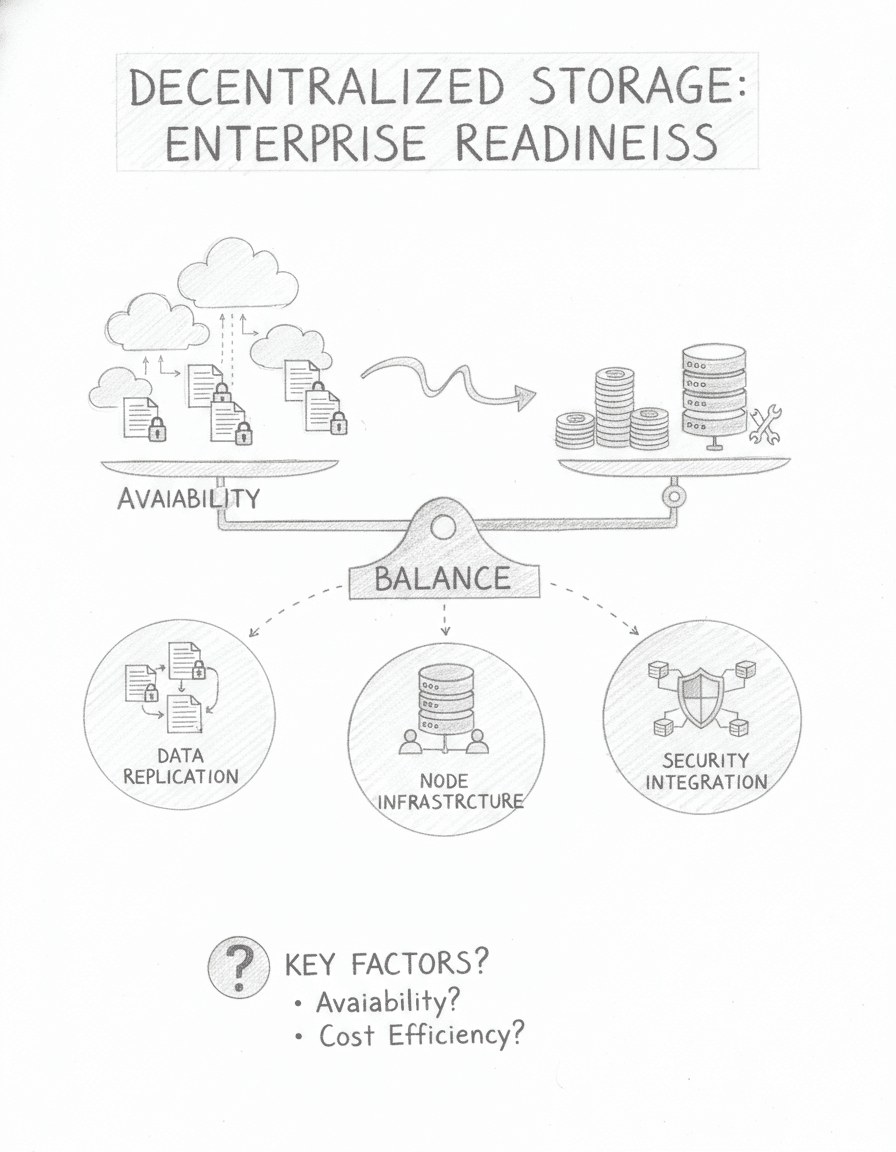
Decentralized storage solutions like IPFS and Arweave have gained traction for secure document hosting, but what does it take for them to be enterprise-ready?
One key challenge is balancing data availability with storage costs.
Some trade-offs to consider:
* Data replication strategies to ensure high availability
* Node infrastructure and maintenance requirements
* Integration with existing security and access control systems
What are the most important factors for your organization when evaluating decentralized storage solutions?
#DecentralizedStorage #EnterpriseReadiness #BlockchainInfrastructure #SecureDocumentHosting
I still recall a project where a simple mistake in a smart contract's logic resulted in a six-figure loss.
The lesson it taught me is that immutable errors can be devastating.
To avoid such mistakes, consider these precautions:
* Implement thorough smart contract auditing
* Use formal verification to identify potential vulnerabilities
What measures do you take to ensure the security and accuracy of your smart contracts before deploying to mainnet?
#blockchainsecurity #smartcontractdevelopment #formalverification
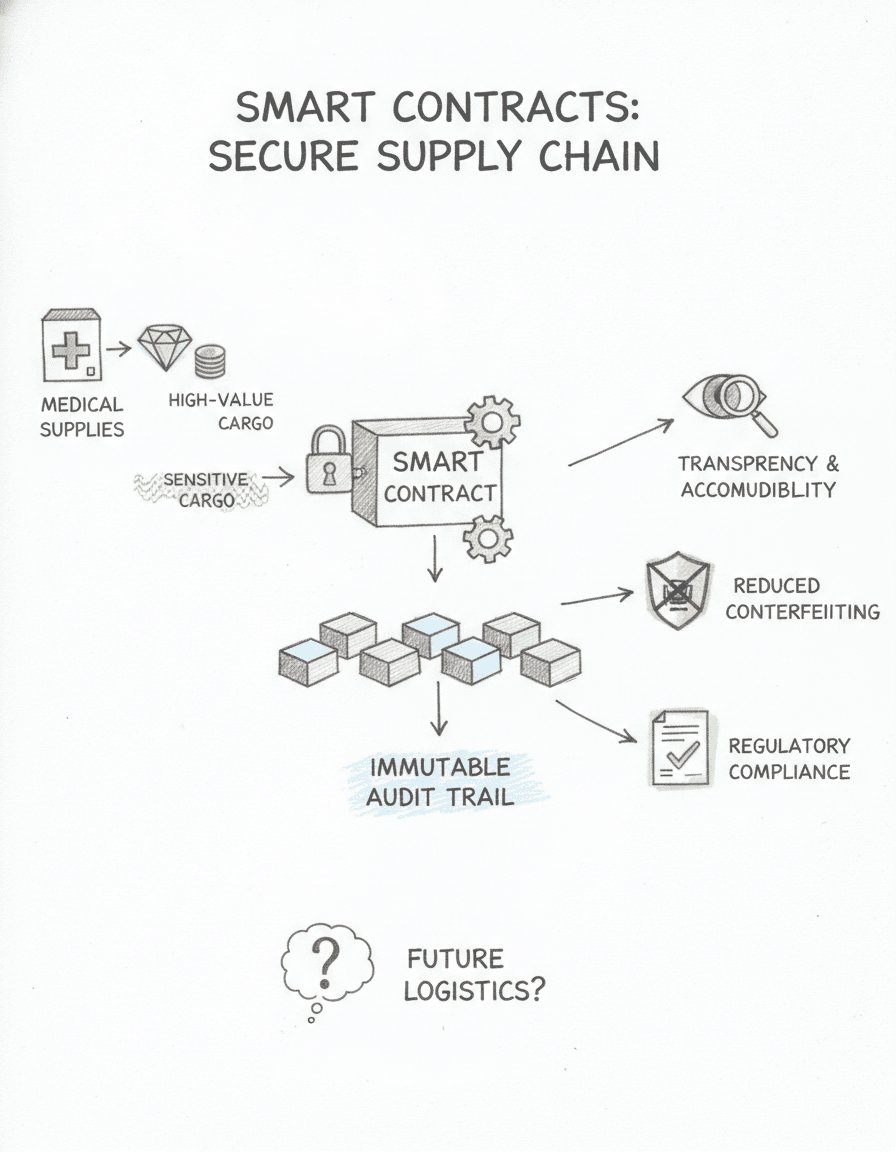
One lesson learned from implementing smart contracts in supply chains is that immutable audit trails are crucial for verifying high-value or sensitive cargo, such as medical supplies.
Key benefits include:
* Enhanced transparency and accountability
* Reduced counterfeiting risk
* Improved compliance with regulatory requirements
What role do you think smart contracts will play in the future of supply chain management, particularly for high-stakes logistics?
#SupplyChainInnovation #SmartContractApplications #BlockchainLogistics
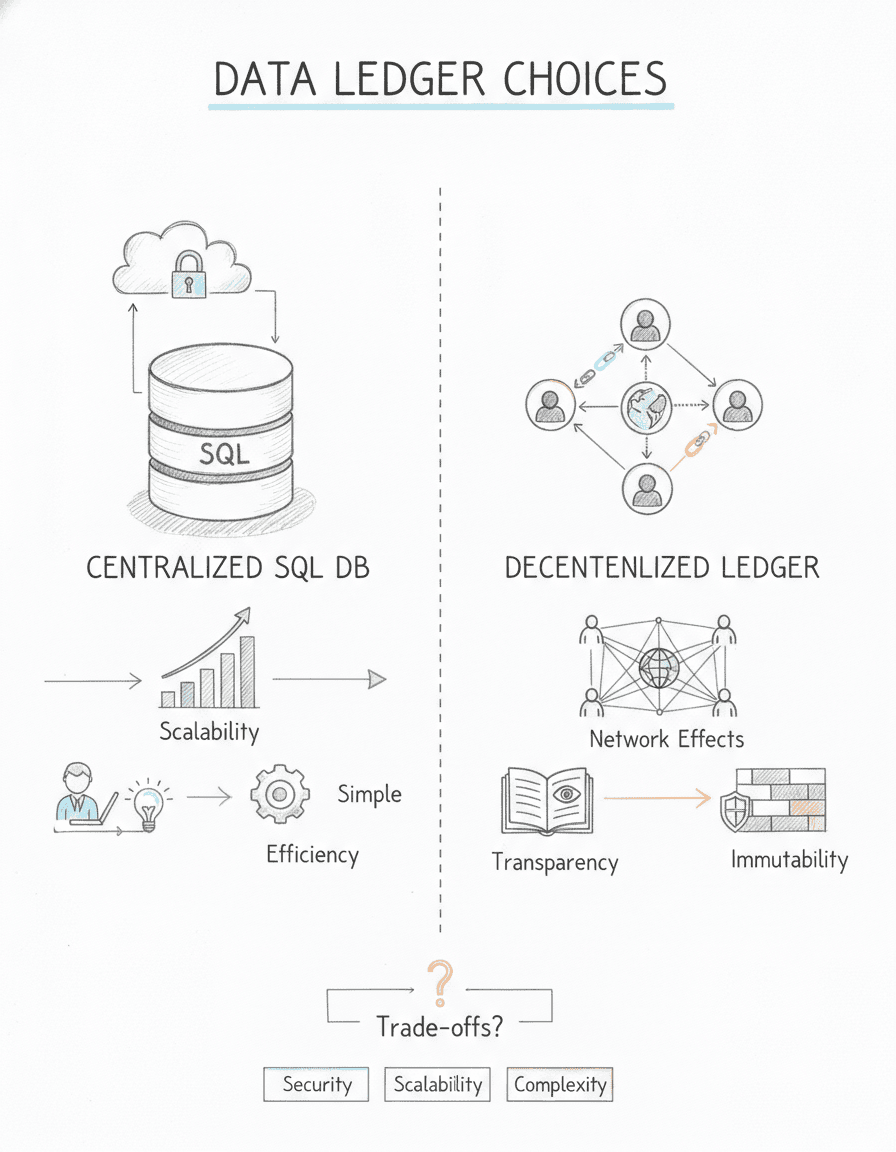
Decentralized ledgers aren't always the answer.
After working with blockchain technology, it's clear that a centralized SQL database is often a better choice for many use cases. The key lies in understanding the trade-offs between security, scalability, and complexity. One lesson learned is to evaluate the need for immutability, data transparency, and network effects.
For instance, a simple supply chain management system may not require a decentralized ledger.
What criteria do you use to decide between a centralized and decentralized approach? #blockchain #decentralizedsystems #databasearchitecture